
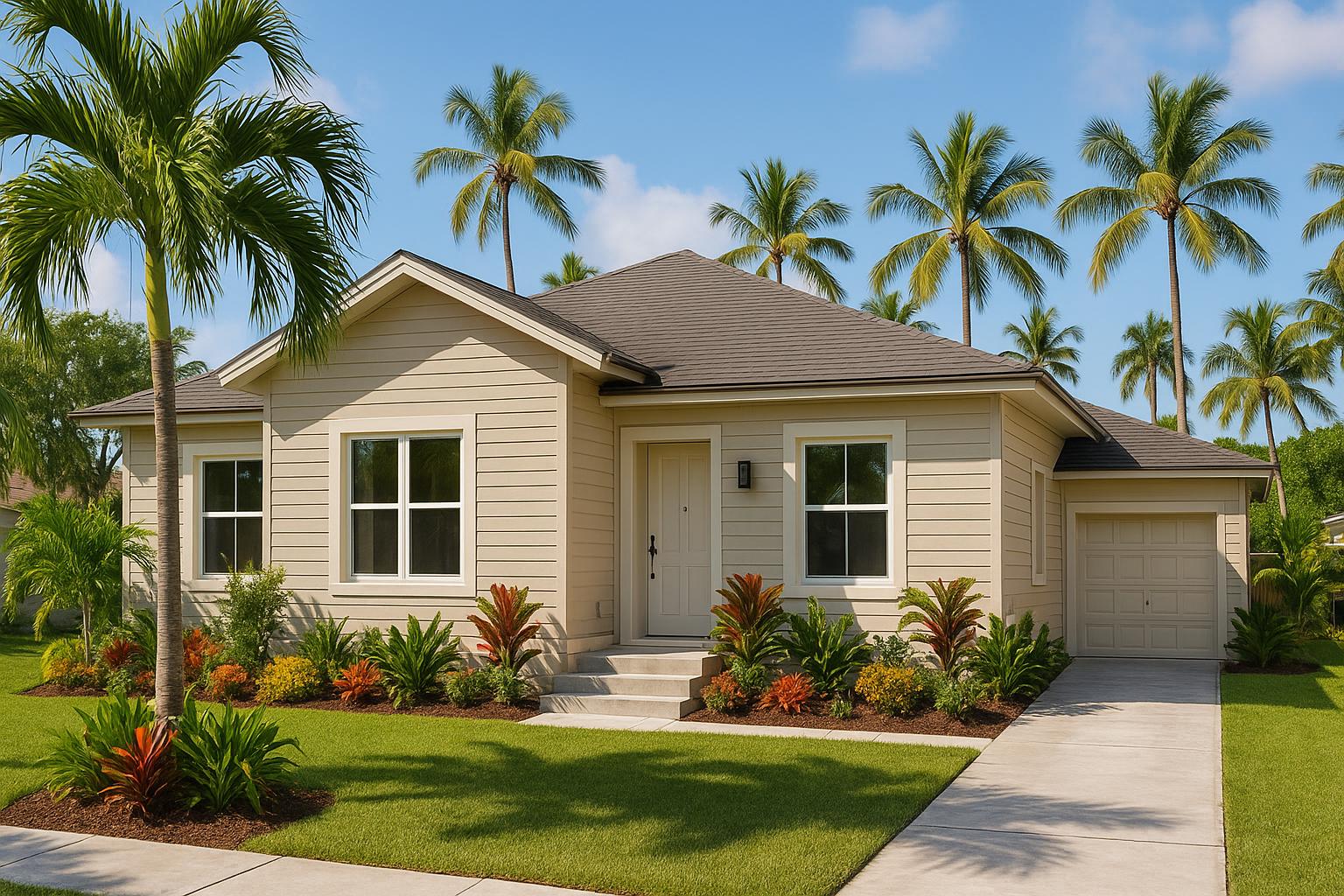
Why Siding Selection Matters More in Miami
When you live in Miami, your home's exterior takes a beating that most parts of the country never experience. Between relentless UV exposure, tropical humidity, salt air near the coast, and the ever-present threat of hurricane season, the siding you choose isn't just a cosmetic decision — it's a long-term investment in your home's protection and value.
If your current siding is cracking, warping, fading, or showing signs of mold and moisture damage, it's probably time for a replacement. But with so many materials on the market, how do you decide which one is right for your home? Let's break down the most popular siding options and how each one performs in South Florida's demanding climate.
Top Siding Materials for South Florida Homes
Vinyl Siding
Vinyl remains one of the most popular siding choices nationwide, and for good reason. It's affordable, low-maintenance, and available in a wide range of colors and styles. Modern vinyl siding is engineered to resist fading from UV exposure and won't rot or attract termites.
However, not all vinyl siding is created equal. In Miami, you'll want to look for products rated for high-wind zones. Standard vinyl panels can crack or blow off during a severe tropical storm if they aren't properly rated and installed. When installed correctly with hurricane-rated fasteners and panels, vinyl siding can be a solid and budget-friendly choice for homes in Hialeah, North Miami, and surrounding neighborhoods.
Fiber Cement Siding
Fiber cement siding — often known by the brand name HardiePlank — is one of the best all-around performers for Miami's climate. Made from a blend of cement, sand, and cellulose fibers, this material is incredibly durable. It resists moisture, won't warp or rot, is impervious to termites, and holds up well against high winds.
Fiber cement can also be manufactured to mimic the look of natural wood, stucco, or stone, giving homeowners design flexibility without the maintenance headaches. It does require professional installation because the material is heavy, and cuts need to be precise. But in terms of longevity and weather resistance, it's hard to beat for South Florida exteriors.
Aluminum Siding
Aluminum siding has a long history in Florida, and it still has its place. It's lightweight, fire-resistant, and doesn't rot. For homes in areas like Opa-locka and Miami Gardens where affordability and durability are both priorities, aluminum can be a practical option.
The downsides? Aluminum can dent from impact, and older aluminum siding tends to fade or chalk over time. If you go this route, look for modern coated aluminum products that offer better color retention and corrosion resistance, especially if your home is close to the coast where salt air accelerates wear.
Engineered Wood Siding
Engineered wood siding gives you the warm, natural appearance of real wood without many of its vulnerabilities. These products are made from wood fibers bonded with resins and treated to resist moisture and insects. They're lighter than fiber cement and easier to work with during installation.
That said, engineered wood still requires more maintenance than vinyl or fiber cement. In Miami's humid environment, you'll need to keep up with sealing and painting to prevent moisture intrusion. If you love the look of wood and are willing to commit to periodic upkeep, engineered wood can deliver beautiful results.
Stucco
Stucco is already a staple on many Miami homes, and for good reason. Traditional stucco is breathable, durable, and handles heat well. It also provides a seamless, clean look that suits both modern and Mediterranean-style architecture common throughout North Miami Beach and surrounding areas.
The challenge with stucco is that it can crack over time, especially as a home settles. Cracks allow moisture to penetrate behind the surface, which can lead to mold and structural damage if not addressed. If you already have stucco and it's in decent shape, repairs and a fresh coat of exterior paint may be more cost-effective than a full replacement with another material.
Key Factors to Consider Before You Decide
- Wind resistance: Miami-Dade County has some of the strictest building codes in the country for wind resistance. Whatever siding material you choose, make sure it meets or exceeds local code requirements for high-velocity hurricane zones.
- Moisture and humidity: South Florida's humidity is relentless. Choose materials that resist moisture absorption and allow proper ventilation behind the siding to prevent mold growth.
- Salt air exposure: If your home is within a few miles of the coast, salt corrosion is a real concern. Fiber cement and vinyl tend to handle salt air better than untreated metals or natural wood.
- Maintenance commitment: Be honest about how much upkeep you're willing to do. Vinyl and fiber cement are low-maintenance options, while wood and stucco require more regular attention.
- HOA and neighborhood guidelines: Some communities in Miami have restrictions on exterior materials and colors. Check with your homeowners association before making a final decision.
- Budget vs. long-term value: The cheapest option upfront isn't always the most affordable over time. Factor in lifespan, maintenance costs, and potential energy savings when comparing materials.
The Importance of Professional Installation
No matter which siding material you choose, the quality of the installation is just as important as the product itself. Improperly installed siding can void manufacturer warranties, fail during storms, and allow water to infiltrate your walls. In a climate like Miami's, even small installation mistakes can lead to expensive problems down the road.
A qualified remodeling contractor will ensure that your siding is installed with proper moisture barriers, flashing, and fasteners rated for your specific wind zone. They'll also make sure the job meets all Miami-Dade County building code requirements, which is essential for both safety and insurance purposes.
How New Siding Adds Value to Your Home
Beyond protection, new siding is one of the highest-return exterior improvements you can make. According to national remodeling data, siding replacement consistently ranks among the top projects for return on investment at resale. In a competitive real estate market like Miami, a home with fresh, well-installed siding stands out immediately.
New siding also improves energy efficiency. Many modern siding products include insulated backing that helps regulate indoor temperatures, reducing the load on your air conditioning system — something every Miami homeowner can appreciate when the summer electric bill arrives.
Ready to Upgrade Your Home's Exterior?
If your siding is showing its age or you're concerned about how your home will hold up during the next hurricane season, now is the time to explore your options. At Elemental Exterior Remodeling, we help homeowners across Miami, North Miami, Hialeah, Miami Gardens, and the surrounding areas choose and install siding that's built for South Florida's unique demands. We'll walk you through the best materials for your home, your budget, and your neighborhood so you can make a confident decision that lasts for years to come.